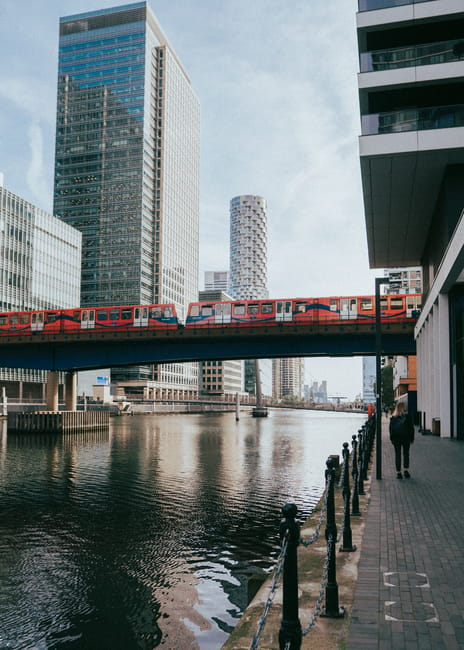
What to know about Tower Hamlets packing rules for Docklands removals
If you are planning a move in Docklands, packing is not just about getting everything into boxes and hoping for the best. What to know about Tower Hamlets packing rules for Docklands removals matters because local buildings, estate managers, and parking arrangements can all affect how your belongings are packed, carried, loaded, and delivered. In practice, a well-packed move is calmer, quicker, and far less likely to unravel on the day. A badly packed one? That is the sort of thing that turns a smooth morning into a queue of frustration, broken crockery, and missing tape at exactly the wrong moment.
This guide explains the packing expectations that typically come up around Tower Hamlets and Docklands removals, how to prepare efficiently, what risks to avoid, and how to choose the right approach for a flat, house, or office move. It is written to help you make sensible decisions, not to drown you in jargon.
For broader support with your move, you may also find our removals and packing and boxes pages useful when planning materials and scheduling.
Expert summary: In Docklands, good packing is as much about access, timing, and building rules as it is about cardboard and bubble wrap. The safest route is to pack with loading in mind, label clearly, and check any restrictions with your building manager before moving day.
Table of Contents
- Why these packing rules matter in Docklands
- How packing expectations usually work
- Key benefits of packing properly
- Who this is for and when it makes sense
- Step-by-step guidance for a smoother move
- Expert tips for better results
- Common mistakes to avoid
- Tools, resources and recommendations
- Law, compliance, standards and best practice
- Options, methods and comparison table
- Case study or real-world example
- Practical checklist
- Conclusion
- Frequently asked questions
Why What to know about Tower Hamlets packing rules for Docklands removals Matters
Docklands is not a typical "load the van and go" setting. You often have apartment blocks, concierge desks, lift bookings, controlled access points, limited kerbside space, and neighbours who would very much like your move to be quiet and orderly, thank you very much. That is why packing rules and packing standards matter so much here.
In many Tower Hamlets buildings, the packing side of a move is tied to building management requirements. These may not be formal council rules in the strictest sense, but they often work like rules in practice. For example, a building may ask you to use lift protection, reserve the service lift, avoid moving during certain hours, or keep cartons small enough to carry without damaging walls or floors. You may also be expected to protect communal areas and avoid leaving waste in corridors. Small things, but they add up fast.
There is also a safety angle. A box that is overfilled with books can be harder to lift and more likely to split. A loosely packed box with glass and plates rattling around inside is asking for trouble. In busy Docklands blocks, where stairs and lifts may already be tight, the difference between sensible packing and "I'll sort it later" is huge.
And then there is timing. Docklands moves can be compressed into narrow windows, especially in flats and managed developments. If your items are already grouped, labelled, and ready to go, the move team can spend their time actually moving things rather than waiting while you wrap a lamp with yesterday's newspaper. Sounds obvious. Yet it happens all the time.
For moves involving a smaller team or a tighter schedule, our man and van and flat removals services are often worth reviewing because access and packing efficiency tend to go hand in hand.
How What to know about Tower Hamlets packing rules for Docklands removals Works
At a practical level, packing rules for a Docklands removal usually fall into three layers: building requirements, mover requirements, and common-sense safety standards. They overlap more than people expect.
1. Building or estate requirements
Some Docklands developments ask residents to follow move-in and move-out procedures. This may include booking the lift, protecting lobby floors, using the service entrance, or registering the moving time with management. Some places are stricter than others, especially if they have high footfall or premium finishes.
2. Removal company expectations
A professional mover will usually expect boxes to be sealed, stable, and ready to stack. Fragile items should be marked clearly, and loose items should be grouped so they are not wasted time at the kerbside. It also helps if large furniture is emptied before the crew arrives. Truth be told, nobody likes discovering a wardrobe full of loose shoes at the last minute.
3. Safe packing norms
Even where no one hands you a formal rule sheet, there are standards that make sense in any Docklands move: do not overload boxes, separate liquids, protect sharp edges, and keep essential items aside. If your building has a concierge or access desk, they may also ask that packing debris not block shared areas.
There is a very real difference between a box that is "full" and a box that is actually move-safe. Full is fine. Crushingly heavy, unstable, or badly sealed is not.
If you are moving delicate items or specialist items, it can help to look at packing and unpacking services or piano removals where experienced handling is the whole point, not an add-on.
Key Benefits and Practical Advantages
Packing properly is not just about avoiding breakage, although that is the obvious one. It also gives you a more controlled move, which in Docklands is worth a lot.
- Less damage: Good cushioning and sensible box loading reduce the risk of chips, cracks, bends, and scuffs.
- Faster loading: When items are sorted and labelled, the team can move in a cleaner sequence.
- Better building compliance: Neat packing helps you avoid corridor clutter and awkward delays in managed buildings.
- Lower stress: You know where things are, which helps especially on the first night.
- Safer lifting: Balanced cartons are easier to carry through narrow hallways and lift lobbies.
There is also a less obvious benefit: better unpacking. If you label by room and priority, the new place starts feeling liveable much sooner. Kettle, bedding, chargers, toiletries - the unglamorous heroes. Everything else can wait a bit.
For homeowners and renters alike, the right packing approach often depends on the kind of property involved. Our home moves and house removals pages are helpful if you are comparing move formats and trying to work out how much support you actually need.
Who This Is For and When It Makes Sense
Not every Docklands move needs the same packing approach. A student in a furnished apartment will have different needs from a family leaving a three-bedroom house or a business relocating an office floor. That said, most people in Tower Hamlets benefit from at least some structured packing.
It makes sense if you are:
- moving from a flat with lift access and building rules
- leaving a Docklands development with managed loading bays
- short on time and need the move to run efficiently
- carrying fragile household items or electronics
- moving office equipment, files, or specialist work gear
- sharing the move with children, pets, or other people in the home
It may be especially useful for:
- students: fewer possessions, but often less experience packing safely
- office managers: files, IT kit, and labelled boxes matter a lot
- flat movers: access restrictions can make every minute count
- busy households: where packing happens around work and family life
In Docklands, a move can be deceptively tricky even if the volume of belongings is not massive. A few heavy boxes, a narrow lift, and one awkward corner can slow everything down. So yes, even smaller moves benefit from planning.
If you are still deciding on the right moving format, a quick look at student removals and office removals can help you compare needs by move type.
Step-by-Step Guidance
Here is a sensible way to handle packing for a Tower Hamlets Docklands move without turning your life upside down.
- Check building requirements early. Ask your landlord, concierge, managing agent, or building office whether there are move rules, lift bookings, time restrictions, or protection requirements.
- Sort belongings by priority. Pack essentials, seasonal items, and rarely used items first. Leave daily-use items until later.
- Choose sturdy boxes. Uniform box sizes stack better and are easier to carry. That sounds minor, but it helps a lot in lifts and tight hallways.
- Pack room by room. Keep items from the same room together so unloading is simpler.
- Protect fragile items carefully. Use wrapping, padding, and space-filling materials so items do not move around inside the box.
- Label clearly. Put the room name, contents, and any handling notes on the top and at least one side.
- Keep weight sensible. Books, tools, and kitchenware get heavy fast. Mix heavy and light items where appropriate.
- Prepare furniture. Empty drawers if needed, remove loose parts, and bag screws separately.
- Create an essentials box. Include chargers, documents, tea, snacks, toiletries, medication, and basic tools.
- Stage everything in one area. If possible, keep packed items in a clear, accessible spot so loading is straightforward.
That last point is a lifesaver in flats. Nobody wants to search three rooms for the only box marked "kitchen" while the lift booking clock is ticking.
When the move involves larger vehicles or multiple rooms, it can help to review your transport options as well, such as removal van and moving truck support, depending on the size of the move and access at both addresses.
Expert Tips for Better Results
These are the little things that make a surprisingly big difference.
- Pack for lifting, not just storage. A box may look neat on the shelf, but if it is too wide or too heavy for a stairwell, it will slow everything down.
- Use soft items as padding. Towels and bedding can protect sturdy household items, but do not use them for delicate glass if you can avoid it.
- Keep liquids separate. Even a small spill can ruin paperwork, cables, and cardboard integrity. A box smells faintly of cleaner and washing-up liquid? That is rarely a good sign.
- Photograph cable setups. Before unplugging entertainment systems or office desks, take a quick photo. Saves a lot of head-scratching later.
- Mark priority boxes. A simple "open first" note on the essentials box really does help once you arrive tired and hungry.
- Do not forget the outside of the box. If a carton has a hole, crushed corner, or weak base, replace it. Do not bargain with physics.
A useful rule of thumb: if the box would make you wince when you lift it from the floor, it is probably too heavy. Fairly simple. Painfully true.
For special handling, look into furniture removals if you are moving bulky items, or storage if you need to split the move into two stages.
Common Mistakes to Avoid
Most packing mistakes are not dramatic. They are small, annoying, and completely avoidable if you know what to look for.
- Overfilling large boxes: This is probably the classic error. Huge boxes feel efficient until they need to be carried down stairs.
- Packing mixed room items together: It speeds up boxing but slows down everything else later.
- Ignoring the building rules: If the estate says book the lift, book the lift. Simple.
- Leaving packing until the night before: A last-minute rush almost always produces poor labelling and too many random "miscellaneous" boxes.
- Forgetting essentials: People move entire homes and still cannot find the phone charger by 9pm. Happens more than you think.
- Packing items that should travel separately: Cash, passports, important documents, and valuables are often better kept with you.
- Not protecting floors or door frames: In some buildings, avoiding scuffs is not just courtesy; it can prevent a billing headache too.
The other one - and this is a quiet but common issue - is underestimating how much time packing takes. Even a modest flat can take longer than it looks on paper. One cupboard alone can become an entire hour if you are sorting cables, old chargers, and a mysterious tangle of spare keys.
Tools, Resources and Recommendations
You do not need a mountain of equipment, but a few basics make life much easier.
- Small and medium boxes: Easier to stack, lift, and carry through tight spaces.
- Packing tape: Use enough to secure seams properly. A single thin strip is not enough.
- Permanent marker: Clear labelling helps at both ends of the move.
- Bubble wrap or paper wrap: Useful for glasses, plates, lamps, and ornaments.
- Protective blankets: Handy for furniture edges and shared areas.
- Zip bags: Great for screws, brackets, and small parts from dismantled furniture.
- Stretch wrap: Useful for drawers, mattresses, and grouped items where appropriate.
If you want help choosing packing supplies or deciding whether to pack yourself, our packing and unpacking services and packing and boxes pages are useful places to start. For people who just want the move handled end to end, the broader removal services offering may be the better route.
A practical recommendation: buy fewer oversized boxes and more medium ones. It is the unexciting answer, but the right one more often than not.
Law, Compliance, Standards, or Best Practice
For Tower Hamlets packing rules, the important thing is to separate formal law from building-level expectations and general moving best practice.
There may not be one single "packing law" that tells every Docklands resident how to fill a box. But you still have responsibilities that matter. You should avoid blocking fire routes, keep communal areas clear, handle goods safely, and follow building instructions where they are part of your tenancy, lease, or access agreement.
Professional movers also work within health and safety expectations. That means sensible lifting practices, stable loads, safe access, and attention to the condition of items being carried. A mover may decline to lift an item if it is unsafe, badly packed, or likely to cause damage. That is not them being awkward. It is normal risk management.
In Docklands buildings, best practice usually includes:
- booked access windows
- lift protection where required
- clear route from property to vehicle
- no loose packing waste left in shared areas
- properly sealed cartons with manageable weights
- special handling for fragile or high-value items
It also helps to check your mover's terms, insurance position, and security processes before the day arrives. If you want reassurance on those points, our insurance and safety, health and safety policy, and terms and conditions pages explain the kind of standards a responsible provider should be working to.
Options, Methods, or Comparison Table
Different packing approaches suit different Docklands moves. Here is a simple comparison to help you decide.
| Approach | Best for | Pros | Trade-offs |
|---|---|---|---|
| DIY packing | Smaller or budget-conscious moves | Cheaper, flexible, you control every box | Takes time, easy to under-pack or over-pack |
| Partial packing help | Busy households or fragile items | Good balance of cost and convenience | You still need to organise part of the move |
| Full packing service | Large, high-pressure, or complex moves | Fast, orderly, less stress | Higher cost, less DIY control |
| Specialist handling | Bulky, delicate, or valuable items | Reduces risk for difficult possessions | May require planning and extra coordination |
The best method depends on your property, timetable, and how much access friction you expect. If your building has strict loading slots or limited lift access, professional help can pay for itself in reduced delay and fewer headaches. To be fair, time is often the real budget item here.
For comparison across move types, you might also review commercial moves if you are relocating a business, or house removalists if you want a more traditional home relocation setup.
Case Study or Real-World Example
Picture a Docklands flat move on a damp Saturday morning. The lift is booked for a short window. The concierge has asked for the corridor to stay clear. Boxes need to move through a narrow hallway with a sharp corner by the kitchen. Nothing dramatic, but enough to test anyone's patience.
In this kind of situation, the difference between "packed" and "properly packed" becomes obvious within minutes. The best-prepared rooms are already boxed by category: kitchen items in medium cartons, clothes folded into labelled bags or boxes, cables tied and bagged, and the essentials box kept aside. Furniture is empty, screws are zipped and labelled, and fragile items are marked clearly.
What happens then? Loading starts smoothly. The movers are not pausing to ask which box contains the lamp shade or whether that heavy carton of books is actually books. The lift booking is used efficiently. The move feels organised, even if the weather is doing its usual London thing outside.
Now compare that with a rushed move. One box contains pans, chargers, and two mugs. Another has a bottle of cleaner rolling around with picture frames. Someone swears there was tape somewhere. The first hour disappears into sorting. It is not fun, and it usually costs more in stress than people expect.
This is why packing rules are not just red tape. In Docklands, they are part of how the whole move stays manageable.
Practical Checklist
Use this checklist a day or two before moving.
- Confirm access times with your building or managing agent
- Reserve the lift or loading bay if required
- Finish boxing non-essential items first
- Use sturdy boxes in manageable sizes
- Label every box with room and contents
- Mark fragile items clearly
- Empty furniture drawers where needed
- Bag screws, fittings, and small parts together
- Keep documents, keys, chargers, and valuables aside
- Prepare an essentials box for the first night
- Check floor, wall, and lift protection requirements
- Set aside any items for recycling, donation, or disposal
One small but useful habit: stand back and look at the packed area like a stranger would. Can the team see what is going where? Can they move without stepping around clutter? If the answer is yes, you are in good shape.
Conclusion
When you understand what to know about Tower Hamlets packing rules for Docklands removals, the whole process becomes much less stressful. The real trick is not fancy packing, it is practical packing: manageable boxes, clear labels, building-aware planning, and enough time to do things properly. In Docklands, where access and timing can be tight, that approach makes a noticeable difference.
Think of it this way: the move day is easier when packing already respects the space you are moving through. Lifts, hallways, loading points, and schedules all matter. If you prepare for those realities, you are far more likely to arrive at the new place with your things intact and your nerves still in one piece. Not a bad outcome.
Get a free quote today and see how much you can save.
And if you are still working out the best way to move, start with the services that fit your situation and take it from there. A careful move has a way of making a new home feel welcoming a lot sooner.
Frequently Asked Questions
What are Tower Hamlets packing rules for Docklands removals?
In practice, they are usually a mix of building instructions, access requirements, and safe packing standards. That can include lift bookings, protected routes, sealed boxes, and limits on corridor clutter. The exact rules depend on the property and the move setup.
Do I need to check with my building before moving?
Yes, if you are in a managed block, you should check early. Some buildings require bookings for lifts or loading bays, and some have move-in or move-out windows. Leaving this until the last minute can cause avoidable delays.
Can removal crews pack my items for me?
Often, yes. Many people choose a full or partial packing service when they want the move to run more efficiently. It is especially useful for fragile items, busy families, or office relocations where time matters.
What should not go in the main moving boxes?
Valuables, important documents, medication, and anything you may need immediately are often better kept separately. Liquids and loose sharp items should also be packed with care so they do not leak or damage other belongings.
How heavy should a moving box be?
Heavy enough to be secure, but light enough to carry safely. A good rule is to keep heavier items in smaller boxes and use medium boxes for most belongings. If a box feels awkward to lift, it is probably too heavy.
Are there special packing concerns for Docklands flats?
Yes. Docklands flats often involve lifts, narrow hallways, concierge desks, and shared access areas. Packing needs to support safe carrying and quick loading, not just storage in the box.
What is the best way to label boxes?
Use the room name, a brief contents note, and a fragile mark where relevant. Clear labels save time on unloading and make it easier to place boxes in the right room straight away.
Do I need special packing for furniture?
Usually, yes. Furniture should be emptied where appropriate, loose parts should be secured, and delicate surfaces should be protected. Bulky items are often easier to move when drawers, shelves, or feet are prepared in advance.
Should I hire a van or a larger truck for a Docklands move?
That depends on the size of the move and access at both properties. A smaller vehicle may suit compact flats, while larger homes or office relocations may need something bigger. The wrong vehicle choice can make the day feel longer than it should.
What if I do not have time to pack everything properly?
Then prioritise essentials, break the move into stages, and consider professional packing help. It is better to pack well in phases than to rush the night before and create a mess that follows you into the new place.
Can I store items if my move dates do not line up?
Yes, storage can be a practical bridge when completion dates, tenancy dates, or access times do not line up neatly. It is one of those solutions people forget about until they need it, then suddenly it looks very sensible.
Where can I get more help with a Docklands move?
If you are comparing move types, services, or planning support, browsing removal companies, removal services, and pricing and quotes can help you work out the next sensible step.